Is Singapore Airlines Safe? Complete Safety Analysis 2026
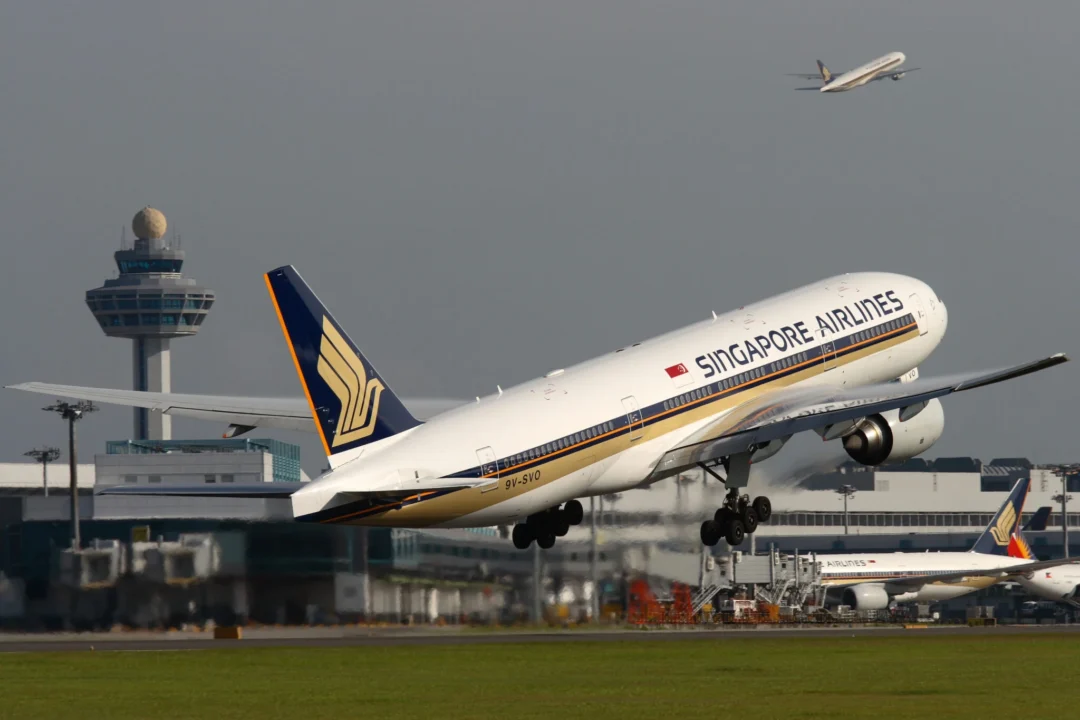
Singapore Airlines is generally regarded as the safest airline. Further, it is regularly listed as one of the safest full-service carriers in the world. Also, it has a seven-star rating. In 2026, the air carrier was ranked 13th among the world’s safest aircraft.
It continues to be registered with the IATA Operational Safety Audit (IOSA), demonstrating compliance with globally accepted safety standards. In addition to these, the Civil Aviation Authority of Singapore has achieved excellent results in ICAO safety oversight audits. This can enhance the carrier’s reputation for dependability and safety. Furthermore, this blog enables fliers to learn about these considerations in detail.
Have a question about an airline office or ticketing issue?
Get simple, quick assistance.
Call Now: +1-877-329-1215 (Toll-Free)How Safe is Singapore Airlines?
Through consistent adherence to international aviation audits, regulatory monitoring, and industry-recognized safety procedures, Singapore Airlines is well known for upholding high operational safety standards.
Further, rather than commercial ranking, this air carrier’s best safety certifications come from internationally recognized aviation groups. Here is an overview of major safety-centric recognition:
Ongoing IOSA Registration (Since 2026)
Singapore Airlines has consistently registered under the IOSA program. It is regarded as one of the strictest operational safety audit systems in the aviation sector.
A variety of things that were assessed throughout this audit are given here:
- Flight operations
- Aircraft maintenance
- Dispatch practices
- Security management
- Cabin operations
- Safety management systems
The 2021 APEX Health Safety Diamond Rating
Singapore Airlines was awarded the highest Diamond Rating in the APEX Health Safety Audit in January 2021.
- A comprehensive 58-point checklist was employed for the inspection.
- These include:
- Health protocols
- Passenger Safety
- Contactless Procedures
- Tracing Systems
- Operational Safeguards
- Onboard Protective Measures
- Testing Procedures
The 2021 APEX Health Safety Certification Program
Singapore Airlines was one of the 1st carriers in the world to complete the APEX Health Safety Audit procedures. In relation to the same, it had to pass independent validation in some safety and passenger-protection categories in order to be certified.
Singapore Airlines Accidents and Incidents History
Singapore Airlines has maintained one of the best safety records in commercial aviation since its founding in 1972. Major deadly mishaps have been incredibly rare, despite a few noteworthy accidents and security problems involving the air carrier. The following are some of these incidents:
- 26 March 1991: While traveling from Sultan Abdul Aziz Shah Airport to Changi Airport, extremists took control of Singapore Airlines Flight 117, an Airbus A310-300 registered as 9V-STP, where the Singapore Special Operations Force attacked it. Further, the operation caused no passenger or crew fatalities, but security forces killed all of the hijackers.
- 31 October 2000: When traveling to Los Angeles International Airport, Flight 006, a Boeing 747-400 registered as 9V-SP, attempted to take off on a closed runway at Taiwan Taoyuan International Airport. In this regard, the collision with the construction equipment killed 83 of the 179 people on board and injured another 71. This was the first Singapore Airlines aircraft accident to result in fatalities.
- 21 May 2024: After Singapore Airlines Flight 321, a Boeing 777-300ER carrying 211 passengers and 18 crew members, encountered extreme turbulence over the Irrawaddy Basin in Myanmar, the crew diverted the aircraft to Bangkok. The turbulence killed one passenger and injured many others, resulting in the hospitalization of 104 passengers and crew members out of the 229 people on board.
Moreover, Singapore Airlines made significant safety improvements throughout its operations in the wake of such accidents. It has improved the following:
- Enhanced pilot training
- Stronger safety management systems
- Advanced fleet modernization
- Continuous IOSA Compliance
Fleet Modernization and Maintenance
In order to uphold its high standards for passenger comfort and safety, Singapore Airlines has continuously made investments in fleet modernization. Additionally, it has adopted next-generation Airbus and Boeing models with advanced avionics, fuel-efficient engines, upgraded cabin technology, and more.
The following are the passenger planes that are operated by Singapore Airlines as of 2026:
- Airbus A350-900
- Airbus A380-800
- Airbus A350-900ULR
- Boeing 737-8 MAX
- Boeing 777-300ER
- Boeing 737-800
- Boeing 777-300ER
Additionally, the airline has ordered more next-generation aircraft, such as Boeing 777-9, to help with network expansion and fleet renewal.
Support for Maintenance, Repair, and Overhaul (MRO)
Through its engineering, Singapore Airlines mainly used an internal maintenance system. But when needed, it also collaborates with specific outside partners.
- SIA Engineering Company (SIAEC)
Singapore Airlines’ primary MRO supplier is SIA Engineering Company. SIAEC, which was first founded within the Singapore Airlines Group, carries out:
- Line Maintenance
- Aircraft Maintenance
- Engine Maintenance Support
- Fleet Modification Programs
- Technical and Engineering Services
- Base Maintenance
- Airframe Maintenance
- Component Repair and Overhaul
- Cabin Refurbishment Projects
How Safe is Singapore Airlines During an Emergency?
Due to its excellent safety culture, intensive crew training, contemporary fleet, and adherence to international safety regulations, Singapore Airlines is regarded as one of the safest carriers in an emergency. It also maintains a solid operational safety record that routinely earns top safety ratings.
Some Reddit reviews are mentioned below related to the SQ321 turbulence emergency in May 2024:
- The staff members of this airline did their best to provide care for the injured fliers.
- We are alive and all that matters.
Due to the abrupt nature of the turbulence, travelers in the SQ321 incident also voiced grave concerns and criticism:
- Being hurled into the ceiling of the cabin.
- There was not enough time to buckle up before the aircraft experienced significant turbulence.
- Suffering damage to the head, neck, and spine.
Hence, even in such tough situations, the staff has managed the situation, saved individuals, and maintained the airline’s reputation
Singapore Airlines Pilot and Crew Training
To guarantee the greatest levels of efficiency, safety, and service quality, Singapore Airlines employs a multi-level, systematic training program.
- Training for Pilot Flight
At authorized establishments like the Singapore Flying College or CAE, pilots receive initial training. Following selection, they undergo type-rating training on airplanes such as the Boeing 787 and Airbus A350. The airline covers engine failure, low-visibility landings, and emergency descent techniques in training and checks the simulator every six months.
- Crew Training
The cabin crew at Singapore Airlines exemplifies the airline’s customer service culture.
- Recruits go through a demanding 15-week curriculum of classroom and on-the-job training that consists of the following:
- The foundations of personal hygiene, passenger handling techniques, and social graces.
- Meal service procedures, such as wine-and-food appreciation courses.
- Safety and first aid protocols for various aircraft types.
- Singapore Airlines hires people from Malaysia, China, Taiwan, Japan, Korea, India, and Indonesia, even though the majority of its cabin crew members are from Singapore.
- Singapore Airlines has 6,581 cabin crew members as of August 31, 2005.
- CRM or Crew Resource Management
CRM training, which emphasizes cooperation, communication, and decision-making in both routine and emergency scenarios, is provided to both pilots and cabin crew.
- Training on Safety and Emergencies
This training comprises crisis management techniques, security threat response, and hijacking procedures that are in line with international aviation regulations.
- Recurring Education and Certification
The Civil Aviation Authority of Singapore (CAAS) oversees mandatory yearly refresher courses. This can guarantee adherence to IATA IOSA requirements and ongoing operational safety readiness.
Singapore Airlines Certifications and Records
Singapore Airlines maintains a variety of important safety accreditations and has achieved numerous safety-related recognitions from aviation organizations and independent rating agencies.
Prominent Safety Records
- Ongoing IOSA registration and adherence to IATA operational safety regulations.
- This air carrier is frequently listed as one of the world’s safest full-service airlines.
- It has the best possible 7/7 safety ratings according to AirlineRatings.
- Further, it is controlled by Singapore’s Civil Aviation Authority, which has one of the best ICAO audit results in the world.
Conclusion
In summary, Singapore Airlines is among the world’s safest carriers. Stringent training regimens, ongoing IOSA certification, robust regulatory supervision, and contemporary aircraft back it. Its long-standing safety record, strong industry reputation, and efficient emergency response protocols bolster passenger confidence worldwide.
Note: Besides Singapore Airlines, passengers can also check if it is safe to fly with Turkish Airlines, Is Ethiopian Airlines is safe, and if Sun Country Airlines is safe.
FAQs
Indeed, many people agree that Singapore Airlines is among the safest airlines in the world.
The airline is still registered with the IATA Operational Safety Audit (IOSA).
Yes, Singapore Airlines follows safety standards and guidelines established by the ICAO.
Indeed, a lot of emergency and safety training is provided to cabin crew and pilots.
Yes, all aircraft of this air operator go through planned maintenance and routine inspections.